Holiday Taro & Chinese Sausage

Learn how to braise tender taro with Chinese sausage, fragrant aromatics, and a savory sauce.

Cooking Summary
Ingredients: (detailed list)
- Taro & Aromatics: taro, chinese sausage, garlic, ginger, green onion
- Sauce: black bean sauce, light soy sauce, oyster sauce, dark soy sauce, chicken bouillon, salt, sugar
- Cooking: boiling water, oil, sesame oil
Jump To Section
Overview
If you’re new to cooking taro, this is a simple place to start. My dad’s Braised Taro & Chinese Sausage pairs the root vegetable with lap cheung, then brings everything together in a savory sauce.
We start by stir-frying the aromatics, sausage, and taro before adding the sauce and boiling water. A short covered braise finishes the cooking. The cue to watch for: taro that’s easy to pierce with a fork or chopstick.
This is a dish to bring to the table hot, with the green onions and sesame oil stirred in just before serving. Add it to a family dinner or a holiday spread, with rice and vegetables alongside.
This recipe is brought to you by Lee Kum Kee!
Since 1888, Lee Kum Kee has been making authentic, high-quality Asian sauces that bring both traditional and modern dishes to life. My dad’s been using Lee Kum Kee sauces ever since he started working in professional kitchens 50 years ago.
As a household brand, my dad has always turned to Lee Kum Kee soy sauces balanced in saltiness and umami, with profiles ranging from light and refreshing to richly aromatic with a lingering depth. Their soy sauces are made with carefully selected, non-GMO soybeans, combined with wheat and salt for fermentation, and that commitment to quality shows up in the complex, balanced flavor of every bottle. Whether you're building a stir-fry, a noodle dish, a marinade, or a simple dipping sauce, there's a Lee Kum Kee soy sauce made for the job.
Why this recipe
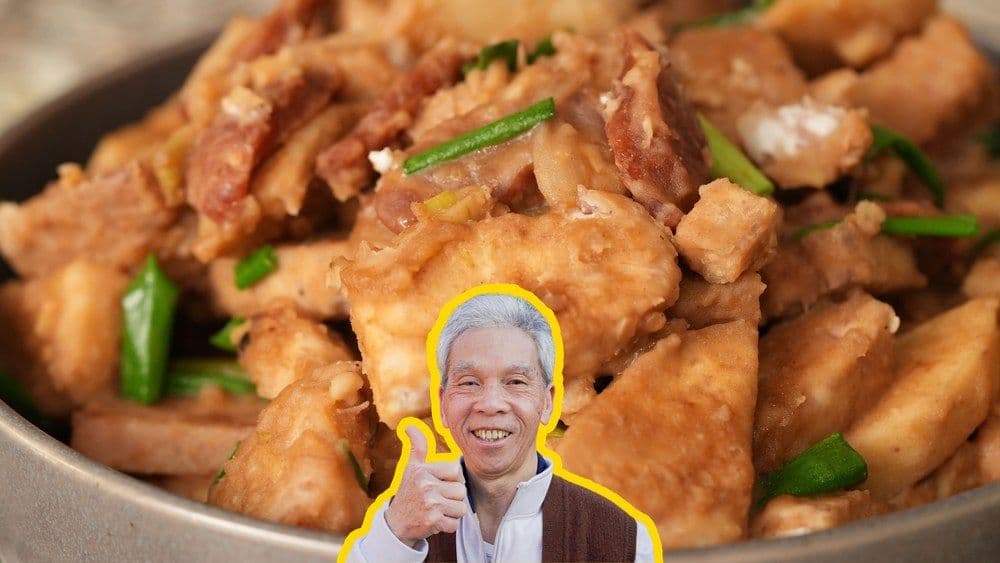
Most holiday taro & chinese sausage recipes online are tested only a handful of times. My dad used to make this dish multiple times a day, every day, for 60+ years and can make this in his sleep.
Shopping & Ingredient Selection
What kind(s) of soy sauce do I use?
Cantonese cooking often calls for both light soy sauce and dark soy sauce.
Light and dark soy sauce do different jobs in this braise. The 2 tsp of light soy sauce seasons the dish; the 1 tsp dark soy sauce adds deeper color.
For elevated holiday dishes, we recommend Lee Kum Kee's Supreme Authentic First Draw Soy Sauce, made from the first draw of a long multi-fermentation brewing process. It has a rich, earthy aroma which is perfect for braises, dipping sauces, and marinades.
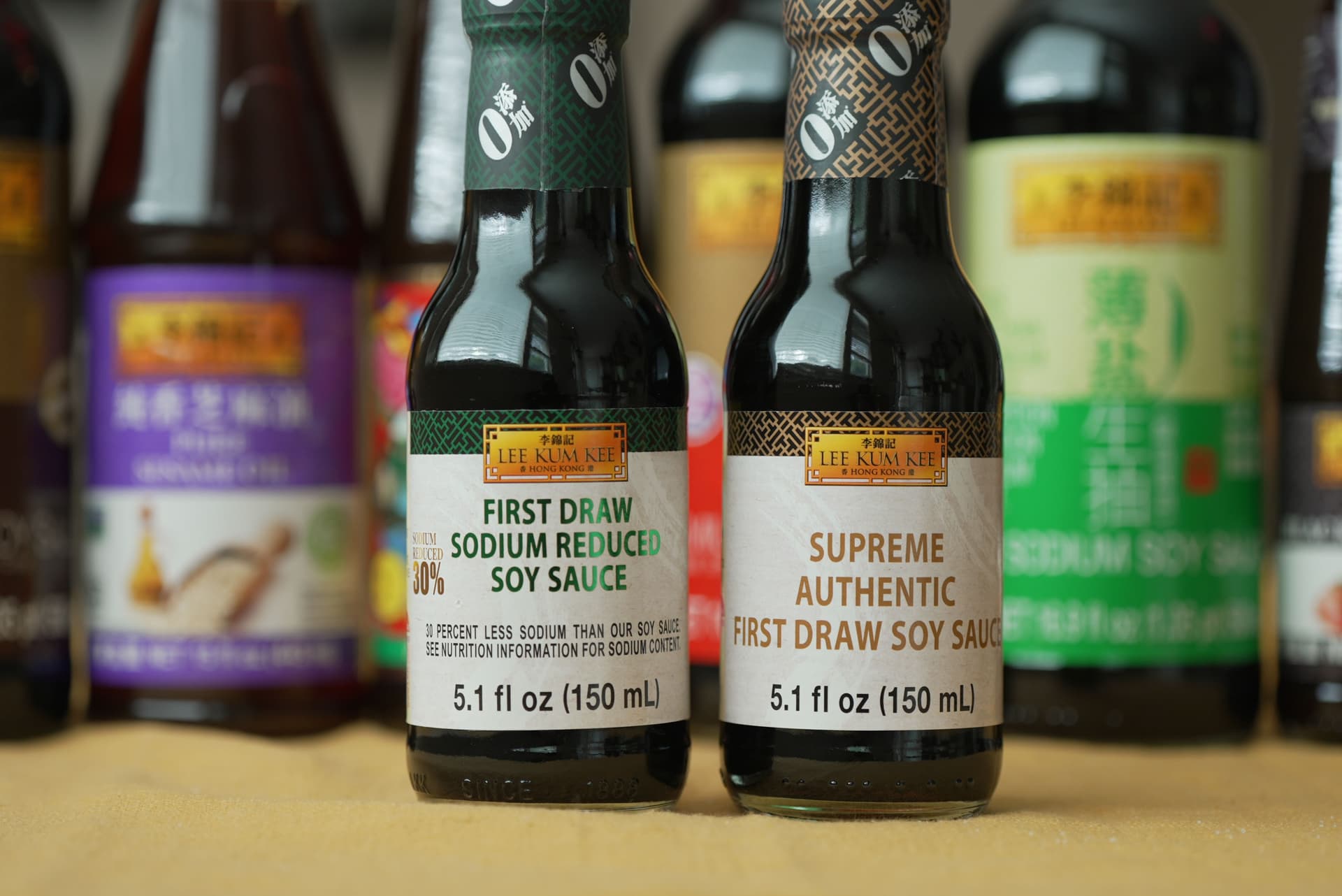
Lee Kum Kee's First Draw Soy Sauces
If you want to explore more or if you have specific dietary needs, Lee Kum Kee's soy sauce line runs deep, and each bottle has its own "personality":
- Premium Dark Soy Sauce: crafted through a longer fermentation for a bright, glossy reddish hue; the color-and-sweetness workhorse of this recipe, great for braising, glazing, and stir-fried noodles.
- Premium Soy Sauce: an all-purpose savory sauce with a deep, mellow aroma, fermented 3–6 months with no artificial preservatives added; versatile enough for dipping, marinating, and braising.
- Less Sodium Soy Sauce: 40% less sodium than the premium soy sauce, with balanced saltiness, sweetness, and savory flavor that pairs especially well with beef and other rich meats.
- Gluten-Free Soy Sauce: fermented with corn starch instead of wheat and no artificial preservatives added, delivering the same rich, savory depth for anyone who needs a gluten-free option.
You'll find Lee Kum Kee soy sauces at Asian grocery stores throughout the U.S., on Amazon.com, and at select conventional retailers, with a suggested retail price ranging from $2.49 to $5.49. Check out all of their soy sauces here!
Ingredients
How to make Holiday Taro & Chinese Sausage
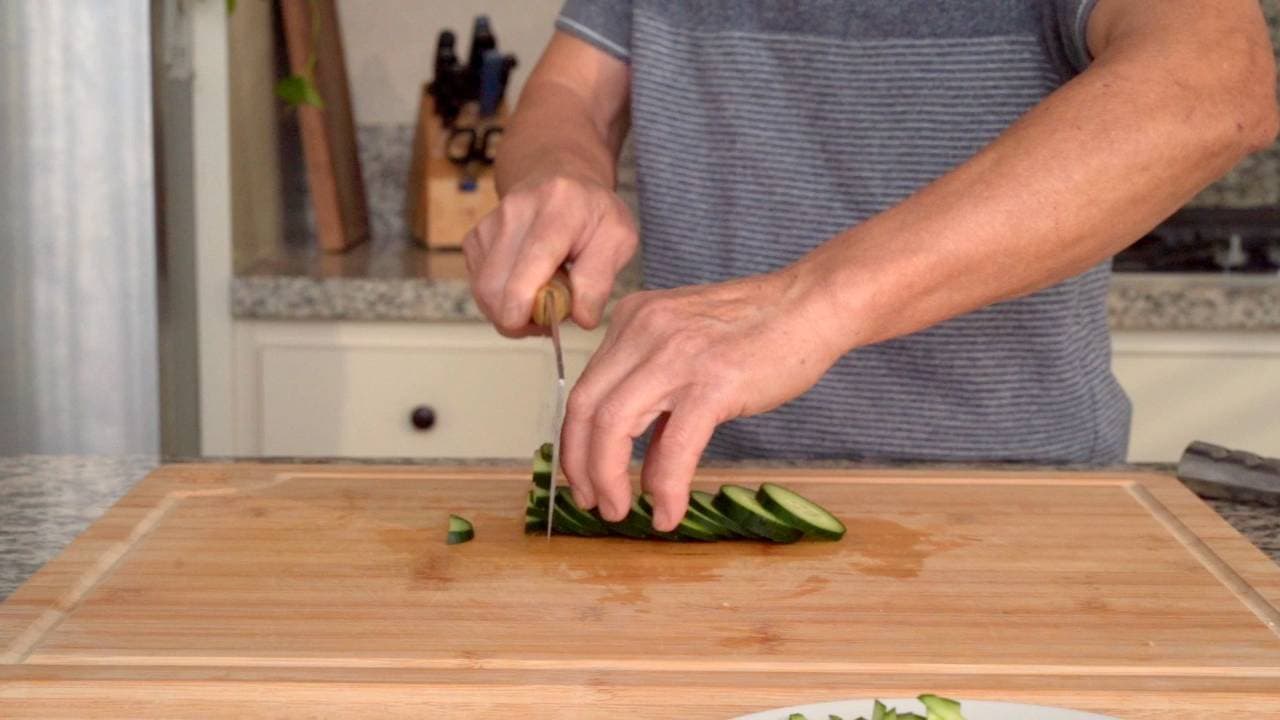
Peel and cut the taro (2 lb) ~1/2 inch (1 cm) thick slices. Lay the slices flat and cut into ~1 inch (3 cm) squares, 1/2 inch (1 cm) thick.
Cut the Chinese sausage (2 piece) at a diagonal into slices, 1/4 inch (0.6 cm) thick. Smash, peel, and mince the garlic (3 clove). Cut ginger (3 slice) into slices, about the size and thickness of a large coin, then mince. Cut the green onions into strips ~1 inch (3 cm) long, separating the whites for the stir fry and the greens for garnish.
Start boiling water (2 cup) for the braising step.
- until shimmering
Heat a wok on high heat. Add and heat oil (2 Tbsp).
- until fragrant ~15-20 sec
On low heat, add and stir-fry the garlic (3 clove) and ginger (3 slice).
- until fragrant ~30 sec
Add and stir-fry the green onion whites and Chinese sausage (2 piece) slices
- ~1 1/2 min
On medium-high heat, add and stir-fry the taro (2 lb) slices
- ~45-60 sec
On low heat, add and mix the sauce until each piece is coated. Stir-fry to develop flavor
- ~1 min
On high heat, add boiling water (2 cup) until the top layer of ingredients are about half-submerged, ~2 cups (475 mL). Add a splash of water to the sauce bowl and mix it around, then pour it in to get all of the remaining sauce. Stir and mix the slices.
- ~1 1/2-2 min
Cover the wok and braise until there's an ample amount of steam escaping the wok.
- ~5 min
On medium heat, continue braising until the taro (2 lb) slices are easily pierced with a fork or chopstick.
On low heat, mix the taro (2 lb) for ~20 seconds to distribute the sauce. Taste and adjust. Monitor the water level and thickness of the sauce. My dad added ~1/4 cup water to thin out the sauce.
Add and mix the green onion greens and sesame oil (1 tsp). Plate and serve immediately.
Creating a holiday spread
Serve Lee Kum Kee's Supreme Authentic First Draw Soy Sauce in a small dipping bowl alongside vegetables and other sides.
Their top-tier soy sauce also goes great with  Hot Pot,
 Steamed Fish, or dumplings like
 Potstickers and
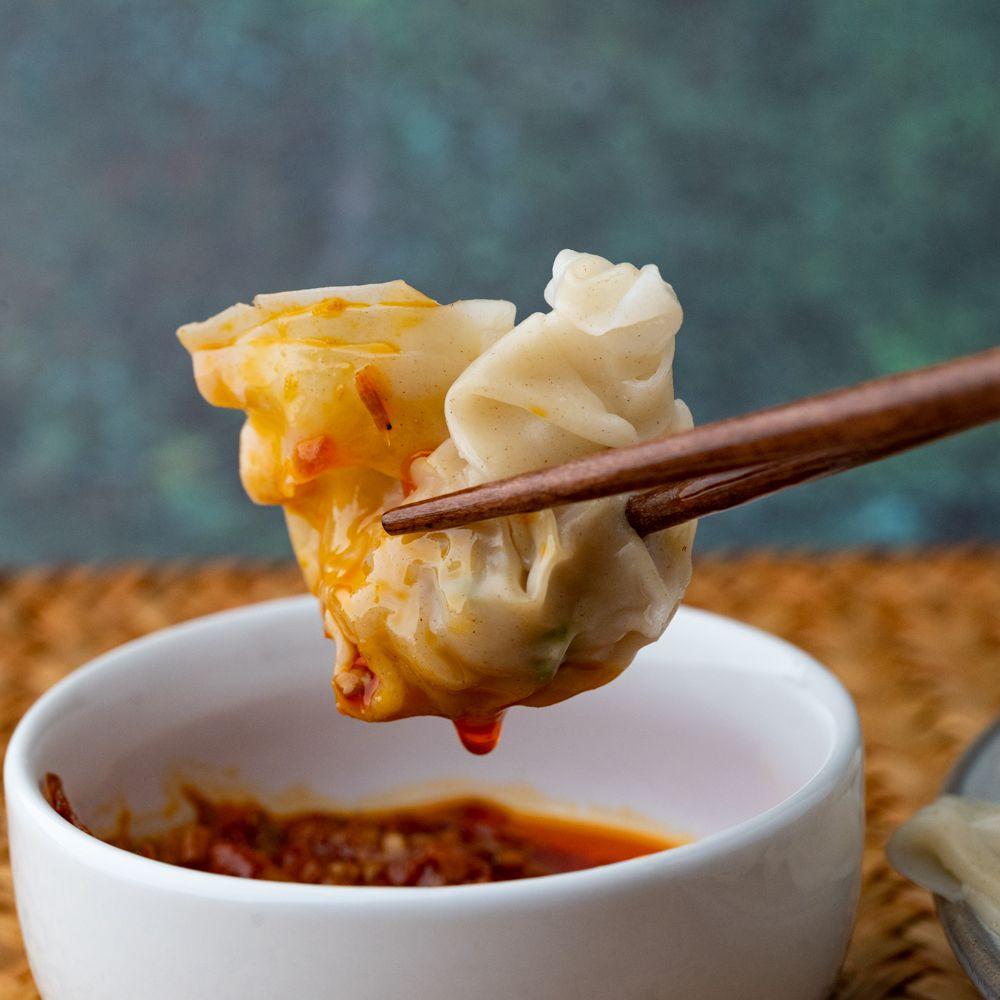 Wontons.
For a family-style feast, you might also consider pairing this taro dish alongside  White Cut Chicken,
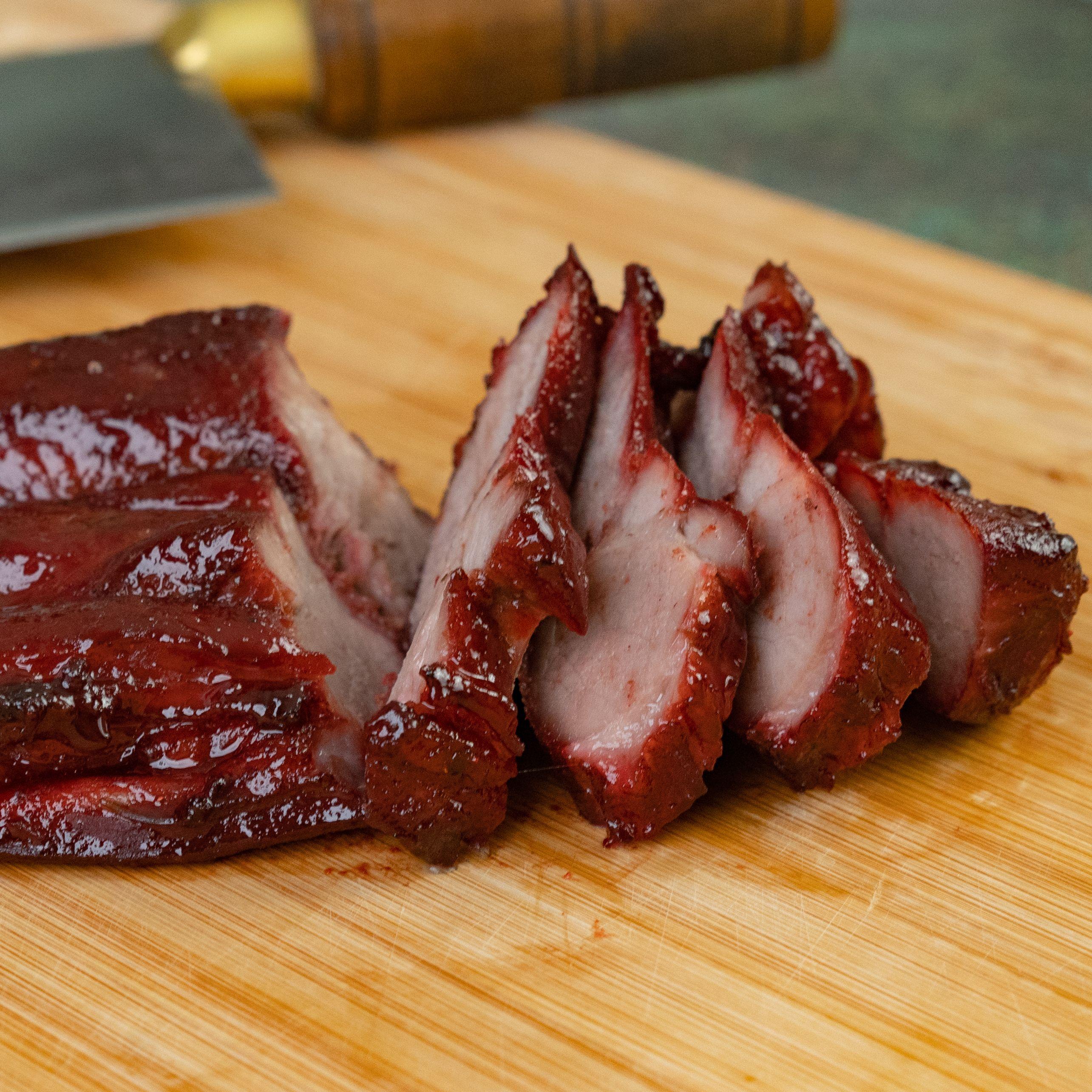 Char Siu,
 Dried Scallop Soup, or
 Longevity Noodles.
Thanks for cooking with us!
Frequently Asked Questions
How do I know the taro is done?
Use a fork or chopstick to check it. The taro should be easy to pierce after braising; use this texture cue along with the approximate cooking time.
Why do we turn the heat down before adding the sauce?
The sauce can burn in a very hot wok. Lower the heat before adding it, then stir to coat the taro before the boiling water goes in.
What if the sauce gets too thick?
Check the water level at the end of braising. Add about 1/4 cup water if needed to thin the sauce, then mix before finishing with the green onions and sesame oil.
Pairs well with
View all →

Made with love ❤️
We started Made With Lau to celebrate Cantonese culture and honor the legacy of our wonderful parents, Jenny and Chung Sun Lau.
Our hope is that these recipes and stories help you spread the joy, love, and nostalgia that I felt growing up.