Soy Sauce Chow Mein

A twist on the iconic Soy Sauce Chow Mein, but with dried noodles!

Cooking Summary
Ingredients: (detailed list)
- dried chow mein noodles, carrot, celery, oil, dark soy sauce, light soy sauce, oyster sauce, sugar, chicken bouillon, water
Steps:
Jump To Section
Overview
As a staple of dim sum menus, weeknight dinners, and banquet halls alike, Soy Sauce Chow Mein is one of the most iconic Cantonese noodle dishes.
(And as a parent, if you've got picky eaters at your table like we do, this is the dish that always wins them over.)
It's simple, familiar, and endlessly customizable: springy noodles with a handful of tender vegetables, tossed in a savory-sweet sauce that clings to every strand.
My dad has been making versions of this for our family for decades, adjusting the vegetables to whatever everyone will actually eat. Celery and carrot are our go-to here because they add a little crunch and color without overwhelming the plate, but bean sprouts and green onions are wonderful additions too.
This recipe is brought to you by Lee Kum Kee!
Since 1888, Lee Kum Kee has been making authentic, high-quality Asian sauces that bring both traditional and modern dishes to life. My dad’s been using Lee Kum Kee sauces ever since he started working in professional kitchens 50 years ago.
As a household brand, my dad has always turned to Lee Kum Kee soy sauces balanced in saltiness and umami, with profiles ranging from light and refreshing to richly aromatic with a lingering depth. Their soy sauces are made with carefully selected, non-GMO soybeans, combined with wheat and salt for fermentation, and that commitment to quality shows up in the complex, balanced flavor of every bottle. Whether you're building a stir-fry, a noodle dish, a marinade, or a simple dipping sauce, there's a Lee Kum Kee soy sauce made for the job.
Why this recipe
Most soy sauce chow mein recipes online are tested only a handful of times. My dad used to make this dish multiple times a day, every day, for 60+ years and can make this in his sleep.
I know you'll love it as much as our community does! This recipe has over 198.7K views, 4.9K likes on YouTube.
Ingredients
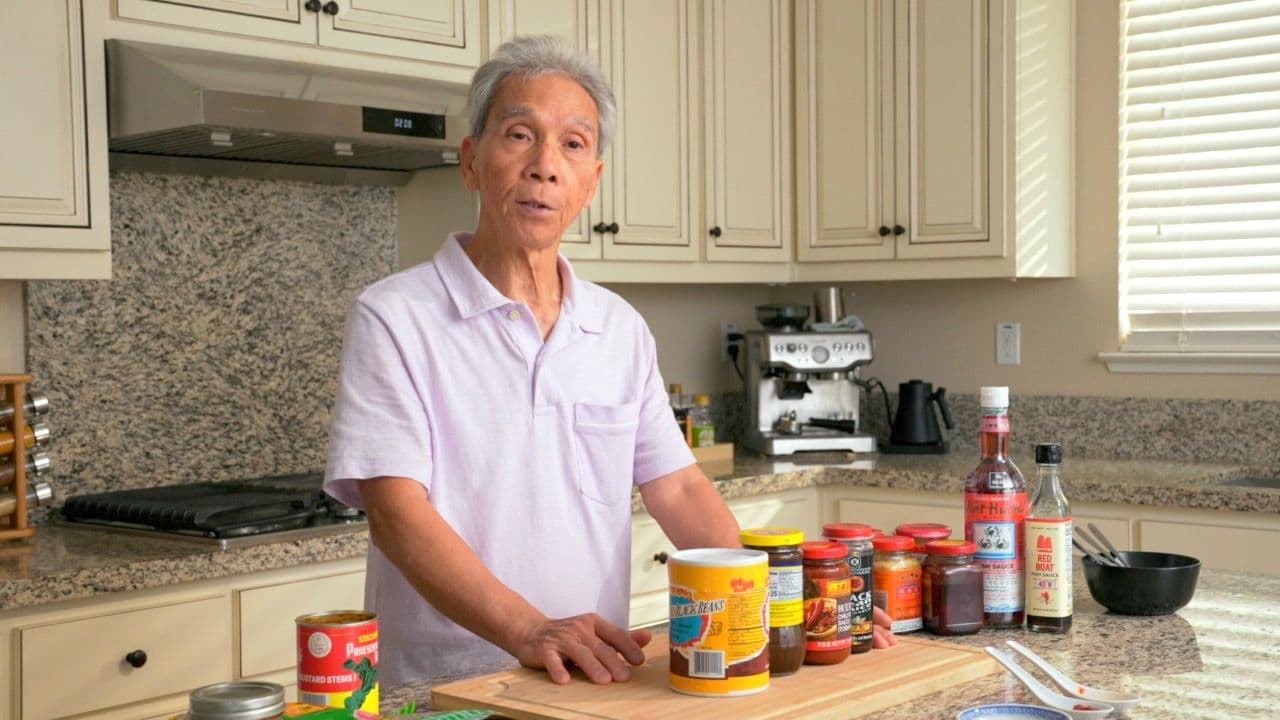
Soy Sauce & Ratios
In Chinese, this dish is called supreme soy sauce chow mein primarily because of the dark soy sauce flavor. It's what gives the noodles their signature deep, glossy color and rounded taste.
(王 (wong) = "king" (as in the best or ultimate)
Traditional Chinese chefs never make this dish purely with all-purpose soy sauce. Dark soy sauce and all-purpose soy sauce do two different jobs, and you need both.
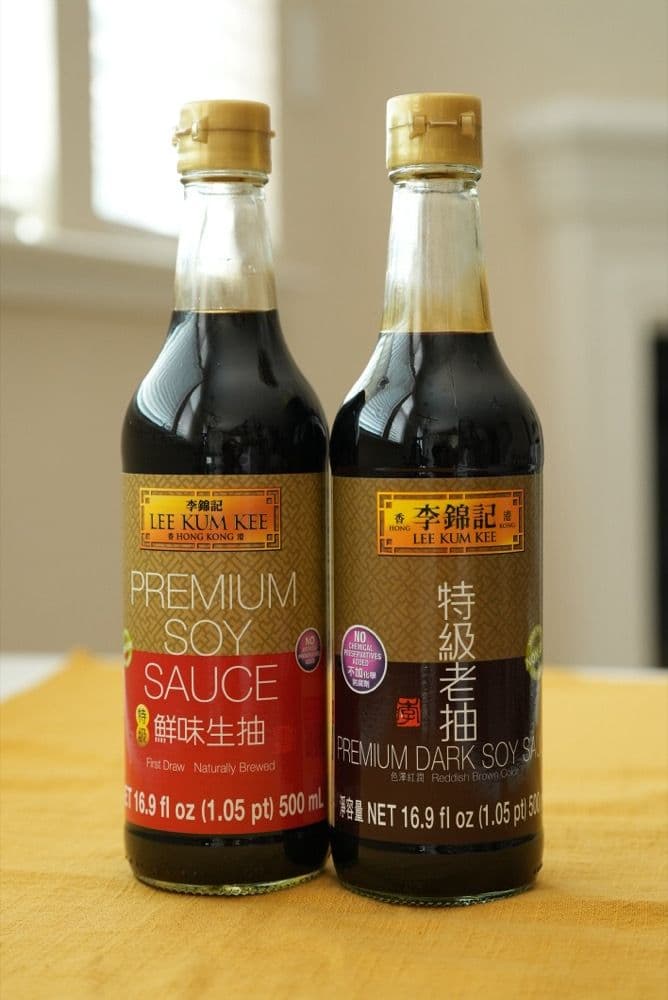
Lee Kum Kee's Premium Soy Sauces
Lee Kum Kee Premium Dark Soy Sauce is the backbone. Dark soy sauce paints the noodles with a glossy reddish-brown color. It's also a little sweeter and more mellow than a standard soy sauce, so it deepens the dish without making it harsh or overly salty.
Lee Kum Kee Premium Soy Sauce, otherwise known in Cantonese as “light soy sauce”, is the all-purpose savory workhorse with gentle umami notes.
In this recipe we use a 2:1 ratio of dark soy sauce to all-purpose/light soy sauce. The ratio is not a hard and fast rule, but because the noodles we use are lighter in color, dark soy sauce transforms the noodles into a drool-worthy, deep golden brown color. Lee Kum Kee’s Premium Dark Soy Sauce also brings along a subtle sweetness that all-purpose soy sauce does not have.
If you want to explore beyond these two or if you have specific dietary needs, Lee Kum Kee's soy sauce line runs deep, and each bottle has its own "personality":
- Premium Dark Soy Sauce: crafted through a longer fermentation for a bright, glossy reddish hue; the color-and-sweetness workhorse of this recipe, great for braising, glazing, and stir-fried noodles.
- Premium Soy Sauce: an all-purpose savory sauce with a deep, mellow aroma, fermented 3–6 months with no artificial preservatives added; versatile enough for dipping, marinating, and braising.
- Less Sodium Soy Sauce: 40% less sodium than the premium soy sauce, with balanced saltiness, sweetness, and savory flavor that pairs especially well with beef and other rich meats.
- Supreme Authentic First Draw Soy Sauce: made from the first draw of a multi-fermentation brewing process and aged 3–6 months, with a rich, earthy aroma; best when you want the soy sauce itself to shine, as in dipping or marinating.
- Gluten-Free Soy Sauce: fermented with corn starch instead of wheat and no artificial preservatives added, delivering the same rich, savory depth for anyone who needs a gluten-free option.
You'll find Lee Kum Kee soy sauces at Asian grocery stores throughout the U.S., on Amazon.com, and at select conventional retailers, with a suggested retail price ranging from $2.49 to $5.49. Check out all of their soy sauces here!
Choosing Noodles
Chinese restaurants typically use fresh, unsteamed thin chow mein noodles for this dish (as in our first soy sauce chow mein recipe), but those aren’t always readily available and have a limited shelf life. For this recipe and our cookbook research, I wanted to learn how my dad cooks chow mein with dried noodles. Not sponsored, but Sing Lin’s Wumu brand has been my parents’ favorite dried chow mein noodle brand for the last year or so.
How to make Soy Sauce Chow Mein
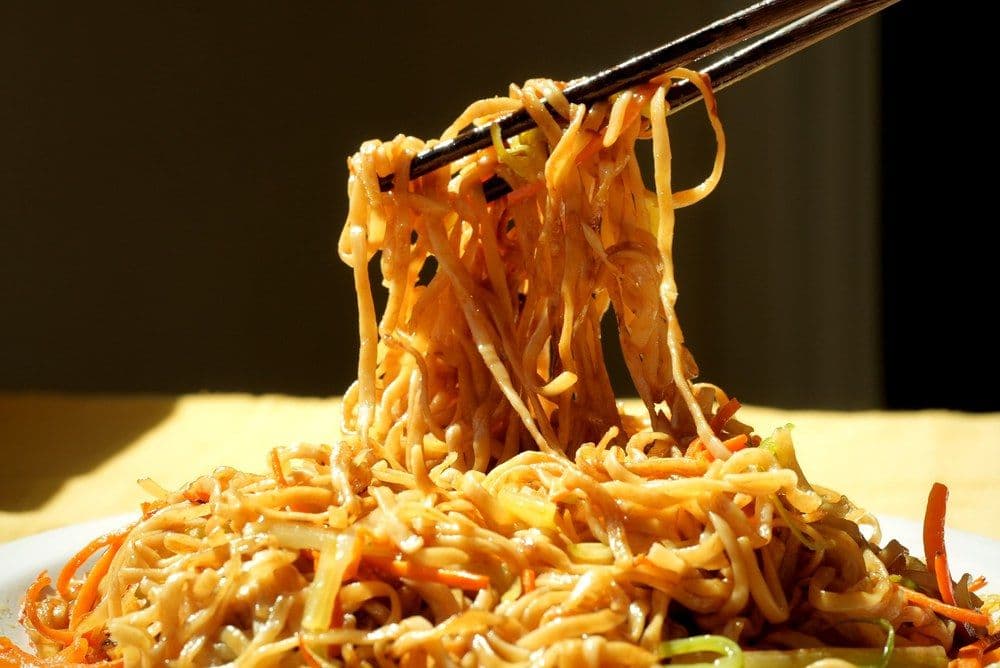
Bring a pot or wok of water to a boil on high heat. Once boiling, we'll fan out the noodles (8 oz) in, then stir. Once the water is boiling (after about 2 minutes), turn to low-medium heat and cook for about 4 to 5 minutes, then turn off the heat and let it continue to cook for about 1 minute.
You can cover the wok if you want it to go a little faster, as long as you can monitor the boiling.
Drain the noodles and rinse with cold water in a colander, lifting and the noodles. Let them sit in the colander as you continue prepping.
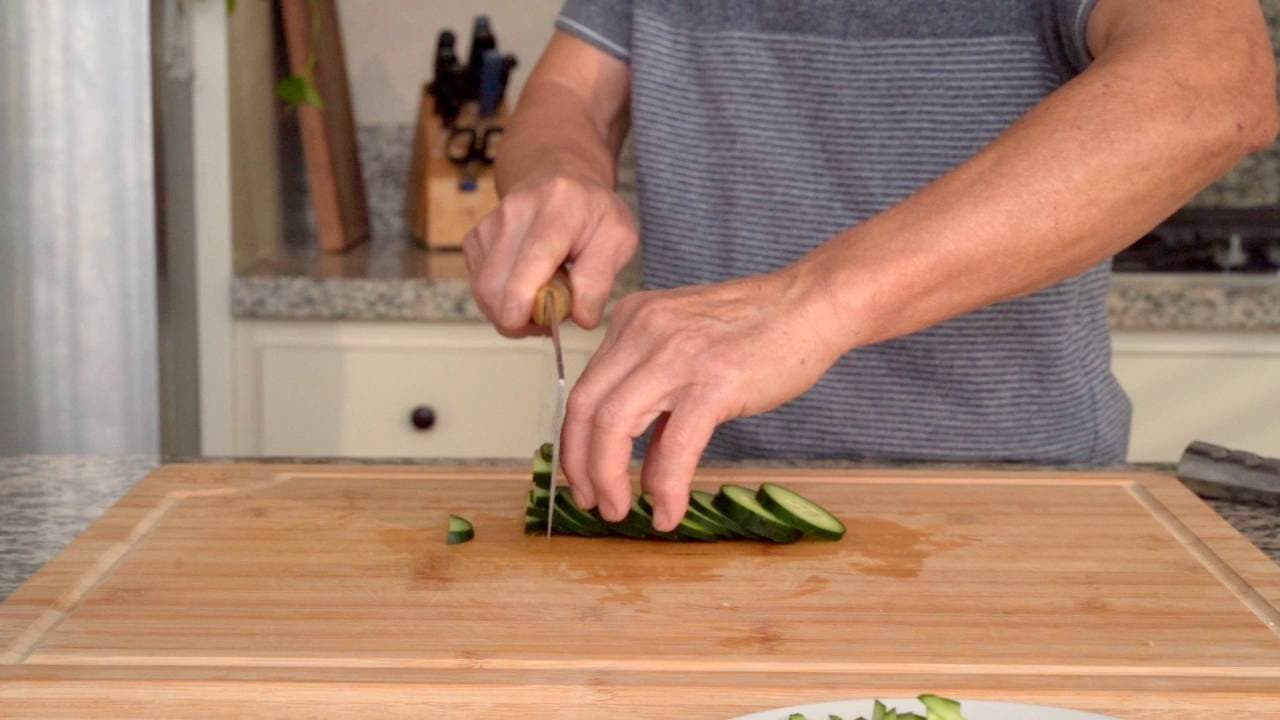
Cut and peel the carrot. For safer knife work, cut an initial slice and lay the carrot down on the new flat surface for stability. Then, create 1/4 inch thick slices. Lay the slices out like a deck of cards, then cut into strips about 1/4 inch thick.
Use the claw grip as you work across the slices, keeping your fingertips tucked safely away.
Cut the celery (1 stalk) into 4 segments. Cut each segment into slices then strips about 1/4 inch thick. As with our more traditional Soy Sauce Chow Mein recipe, bean sprouts and green onions are also great here.
In a bowl, mix dark soy sauce (2 Tbsp), light soy sauce (1 Tbsp), oyster sauce (1 Tbsp), sugar (2 tsp), chicken bouillon (1 tsp), and water (1 Tbsp).
To prevent the noodles from clumping and to ensure even flavor distribution (a hallmark of good chow mein), we're going to add oil to the noodles so they're less prone to sticking. This also reduces the total amount of oil we need to make chow mein.
Transfer the noodles to a plate and spread them out, lifting by hand and chopsticks to loosen them. Add oil (2 Tbsp), and continue mixing it in with chopsticks.
Heat a wok on high heat. For carbon steel woks, you should see a white/bluish ring appear around the bottom of the wok. Then, turn to low heat, add oil (1 Tbsp) and spread it around the wok.
While still on low heat, add the noodles and spread them around the surface of the wok with chopsticks. Don't flip yet, just let the bottom cook.
After about 30-60 seconds, adjust to medium heat, and start flipping with a spatula and chopsticks.
After another 30-60 seconds, adjust to high heat, flip and sear the noodles for another 60-90 seconds. You should hear sizzling. If you're using a gas stove, you can tilt the wok occasionally to refocus where the heat and oil concentrate.
Stir and flip after 60-90 seconds. The noodles should start turning more crisp and brown.
Scoot the noodles away from the center to make room in the middle of the wok. Add the celery directly to the center surface of the wok (not on top of the noodles). (We add the celery first because they take a bit longer to cook than carrots).
After stirring for about a minute, mix in the noodles with the celery. Then, scoot the noodles to one side of the wok, add the carrots directly to the surface of the wok on the vacated side. After about 30 seconds, bury the carrots with the noodles, so they're trapped between the heat of the wok and noodles.
With the sauce bowl in one hand and chopsticks in the other, gradually pour in the sauce, tossing and lifting the noodles as you go. If the color is to your liking, you don't necessarily need to add all of the sauce.
Continue stirring and lifting the noodles until the sauce is evenly distributed. Do a taste test and see if any adjustments need to be made. Then, turn off the heat and plate!
Top 3 Mistakes
- Skipping oil on the noodles:
Toss the prepared noodles with the oil called for before they enter the wok. This helps keep strands from clumping and makes it easier to distribute the sauce through the batch.
- Pouring all the sauce at once:
Add the sauce gradually while lifting and tossing the noodles. Stop when the color is right for you rather than automatically emptying the bowl and making the batch overly dark.
- Leaving noodles waterlogged:
Drain the noodles thoroughly after their water step. Carrying extra liquid into the wok changes the sauce and makes it harder to get the finished texture the recipe describes.
Pairs well with
View all →
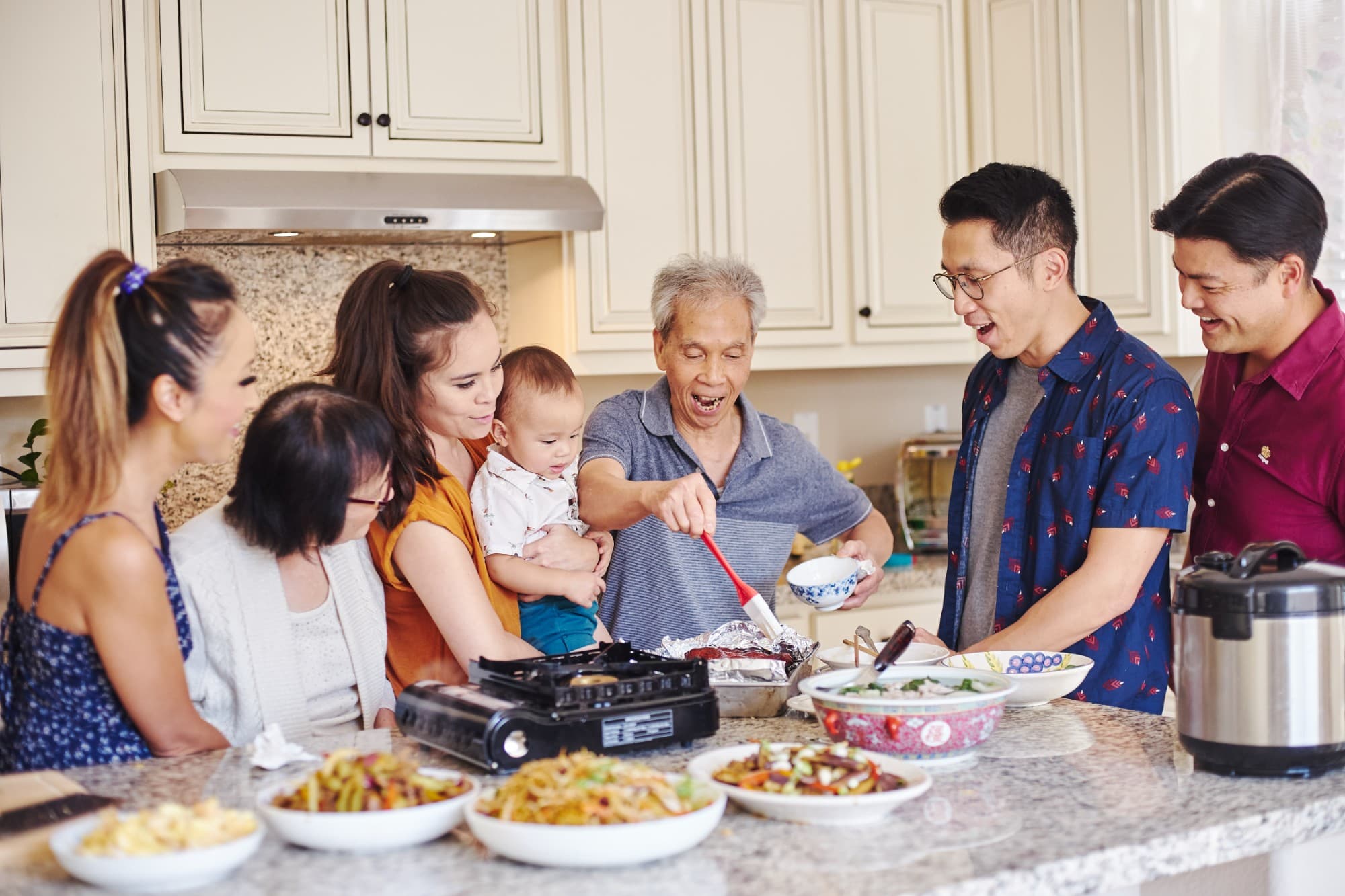
Made with love ❤️
We started Made With Lau to celebrate Cantonese culture and honor the legacy of our wonderful parents, Jenny and Chung Sun Lau.
Our hope is that these recipes and stories help you spread the joy, love, and nostalgia that I felt growing up.