
The Taro Steamed Spare Ribs My Dad's Made 100,000 Times

Why this recipe

Most taro steamed spare ribs recipes online are tested only a handful of times. My dad used to make this dish multiple times a day, every day, for 60+ years and can make this in his sleep.
I know you'll love it as much as our community does! This recipe has over 292.3K views, 5.4K likes on YouTube.
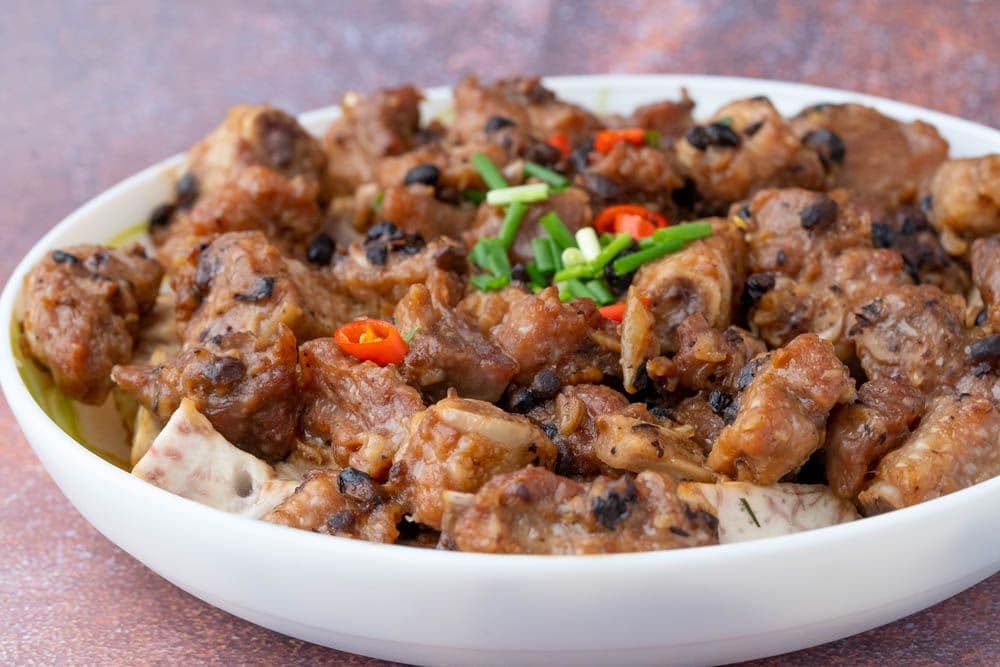
Taro spare ribs meld the happy flavors of taro, spare ribs, and fermented black beans together in a warm, delicious combination.
The layered ingredients result in an aromatic steam wafting up and amazing sauces running down, each component absorbing flavor from its neighbor.
Taro all the time
As a tropical plant, taro has traditionally been a seasonal option.
Nowadays, you can often find it year-round. If not, they even have frozen taro available, so you can make this classic Cantonese dish whenever you want!
If you can't get your hands on one, or if you'd prefer to make this without taro, steamed spare ribs with the same black bean sauce was actually one of our first recipes. You can check that out here!
Pairs well with
View all →
Ingredients

Taro here and taro there
The English term ‘taro’ is borrowed from the Māori language, adapted by English traders visiting plantations in New Zealand in the 1700s. Starchy and nutritious, taro is a staple ingredient in various regions around the world.
It's a recurring element in many staple Cantonese dishes, such as the taro cakes we made before.
Handling taro safely
You can wear food-safe gloves to protect your hands from the irritating calcium oxalate found in raw taro. My dad's never used gloves, though, so it's entirely up to you!
Calcium oxalate is what makes raw taro toxic and unsafe to consume, and rinsing the cut taro gets us a head start on washing some of it away. Cooking takes care of the rest, leaving us with safe and delicious taro.
Buying the best spare ribs
If your grocery store doesn't have pre-cut pork spare ribs, you can get St. Louis style ribs and ask the butcher to cut across the bones. It's very difficult to cut the bones at home.
The ribs closer to the tail of the pig tend to be less fatty, which is my dad's preference.
Rinsing and soaking meat
The steps of washing and soaking the spare ribs in water help drain out the red liquid, lightening the color of the final cooked dish and reducing the taste of blood. The red liquid itself, however, is actually not blood, but myoglobin, the iron-rich protein that stores extra oxygen in muscles that are used often. We talk more about myoglobin in this recipe.
It's not necessary to do either of these steps, but you definitely can, especially if you want to achieve that pale spare ribs you see in dim sum.
Just be aware that you may be rinsing away some nutrients, such as iron, and be careful to wipe down your kitchen area in case of any splashes that could spread bacteria.
Instructions
Rinse & soak black beans
Rinse the dried fermented black beans (0.50 oz) 3 times. Then, let it soak in the water to rehydrate for at least 5 minutes. We like to use warm water to help the water really soak in.

Prepare the spare ribs
Peel the tough white membrane off the spare ribs (1 lb) by making a small cut at the end, between the membrane and the meat, and pulling it away from the meat. This will make the ribs less tough.
Cut the ribs into bite size pieces, and place them in a bowl. If you like, you can wash or soak them as well.
Marinate the ribs
We'll start making the marinade by mixing together cornstarch (2 tbsp), salt (0.50 tsp), sugar (1 tsp), oyster sauce (1 tbsp), light soy sauce (1 tbsp), dark soy sauce (0.50 tsp), baking soda (1 tsp), cooking wine (1 tbsp), water (2 tbsp), and white pepper (0.25 tsp) in a separate bowl. Baking soda is the secret for tender, juicy spare ribs!
Smash and mince ginger (1 slice) and garlic (2 clove). Also, mince the rehydrated dried mandarin peel (1 piece), which will make the dish even more fragrant. Add these to the marinade along with sesame oil (1 tsp), and then pour it over the spare ribs and mix it all up.
Set aside to marinate for half an hour to an hour.
Prepare taro
We'll carefully cut around the taro with our knife to score the slice where we want to cut it, so we end up with taro (1 lb). Once there's a path for the knife to drive safely down, we'll chop deep into the taro and split the slice off.
Lay the slice down flat and use the knife to cut the skin off in segments. Wash the slice of taro with water, and then lay it flat again on the cutting surface.
Cut the taro into slices, and then cubes. We'll end up with 1-2 inch cubes.
Put the taro in the dish we'll use for steaming. Toss the taro with light soy sauce (1 tbsp) so it's evenly mixed. Make sure to arrange the taro so that it fully layers the bottom of the dish, ready to receive the delicious sauce and juices from the pork.
Chop scallions & chili
We'll dice up green onion (2 stalk) and red chili pepper, and then put them aside.
Steam ribs & taro
Take half of the rehydrated fermented black beans and crush them with the back of a spoon. Mix the crushed beans into the ribs.
Add vegetable oil (1 tbsp) into the ribs and mix. This will help keep the meat smooth and juicy.
Spread the ribs over the plate of taro. To ensure even and thorough coverage, lay the ribs along the edge of the plate first. Then pour the rest into the middle and spread them out.
Take the rest of the fermented black beans that are still whole, and spread them over the ribs. Add the chopped red chili pepper on top for both fragrance and a pop color.
Place a steam rack into a pan, and fill it with water until it just covers the steam rack. When the water comes to a boil, place the dish inside and steam for 20 minutes on high heat.
Garnish & plate
The taro is cooked through when a chopstick can pierce through easily, just like a baked potato. Turn off the heat, and carefully remove the dish from the pan. The steam is hot!
Garnish by sprinkling the chopped green onion over top, and it's ready to serve!
Made with love ❤️
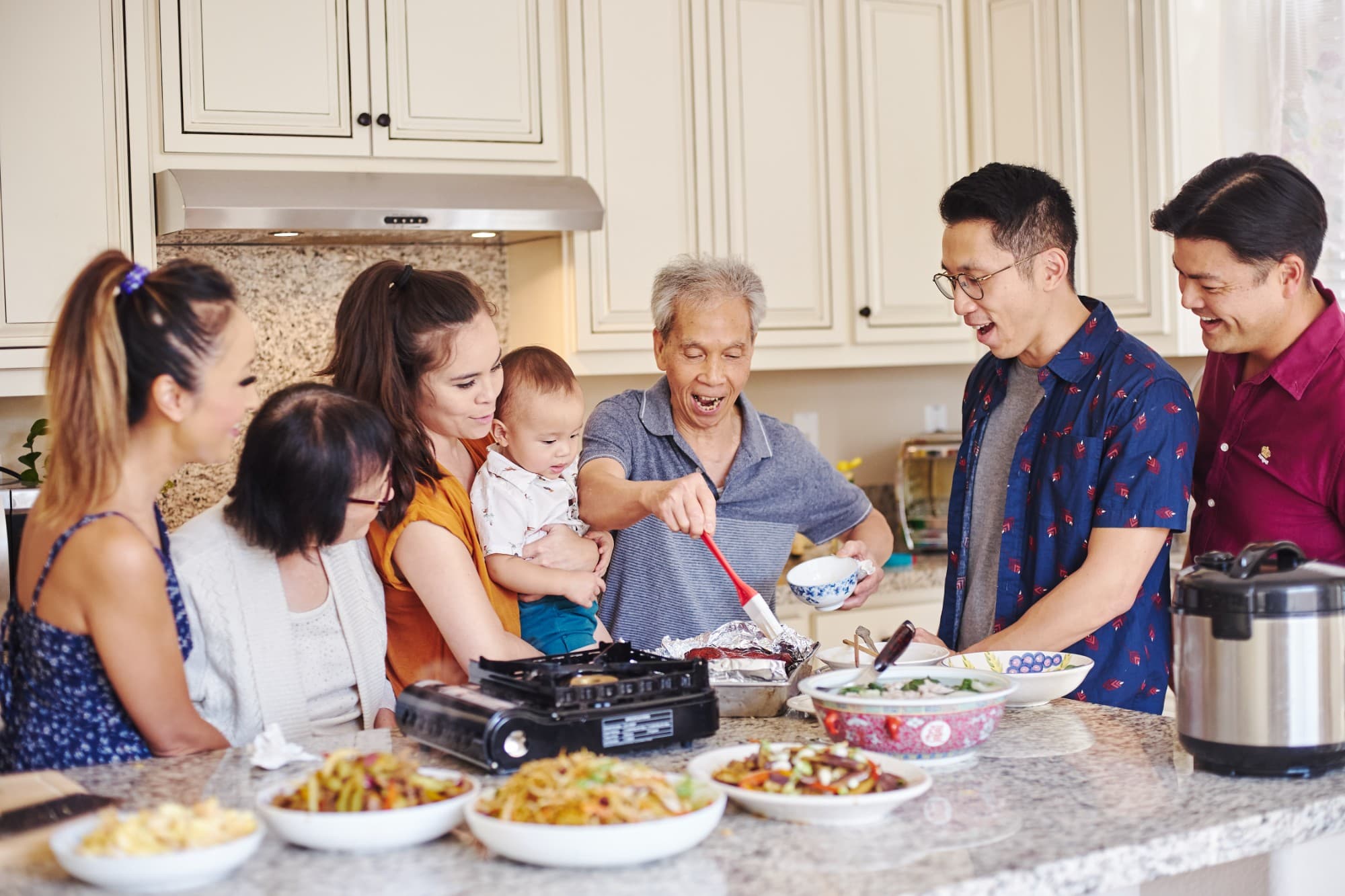
We started Made With Lau to celebrate Cantonese culture and honor the legacy of our wonderful parents, Jenny and Chung Sun Lau.
Our hope is that these recipes and stories help you spread the joy, love, and nostalgia that I felt growing up.
